Publications
Total publications: 12
Cite INHERENT:
Kountouris P, Stephanou C, Archer N, Bonifazi F, Giannuzzi V, Kuo KHM, Maggio A, Makani J, Mañú-Pereira MDM, Michailidou K, Nkya S, Nnodu OE, Trompeter S, Tshilolo L, Wonkam A, Zilfalil BA, Inusa BPD, Kleanthous M; on behalf of the International Hemoglobinopathy Research Network (INHERENT). The International Hemoglobinopathy Research Network (INHERENT): An international initiative to study the role of genetic modifiers in hemoglobinopathies. Am J Hematol. 2021 Nov 1;96(11):E416-E420. doi: 10.1002/ajh.26323. Epub 2021 Aug 30. PMID: 34406671
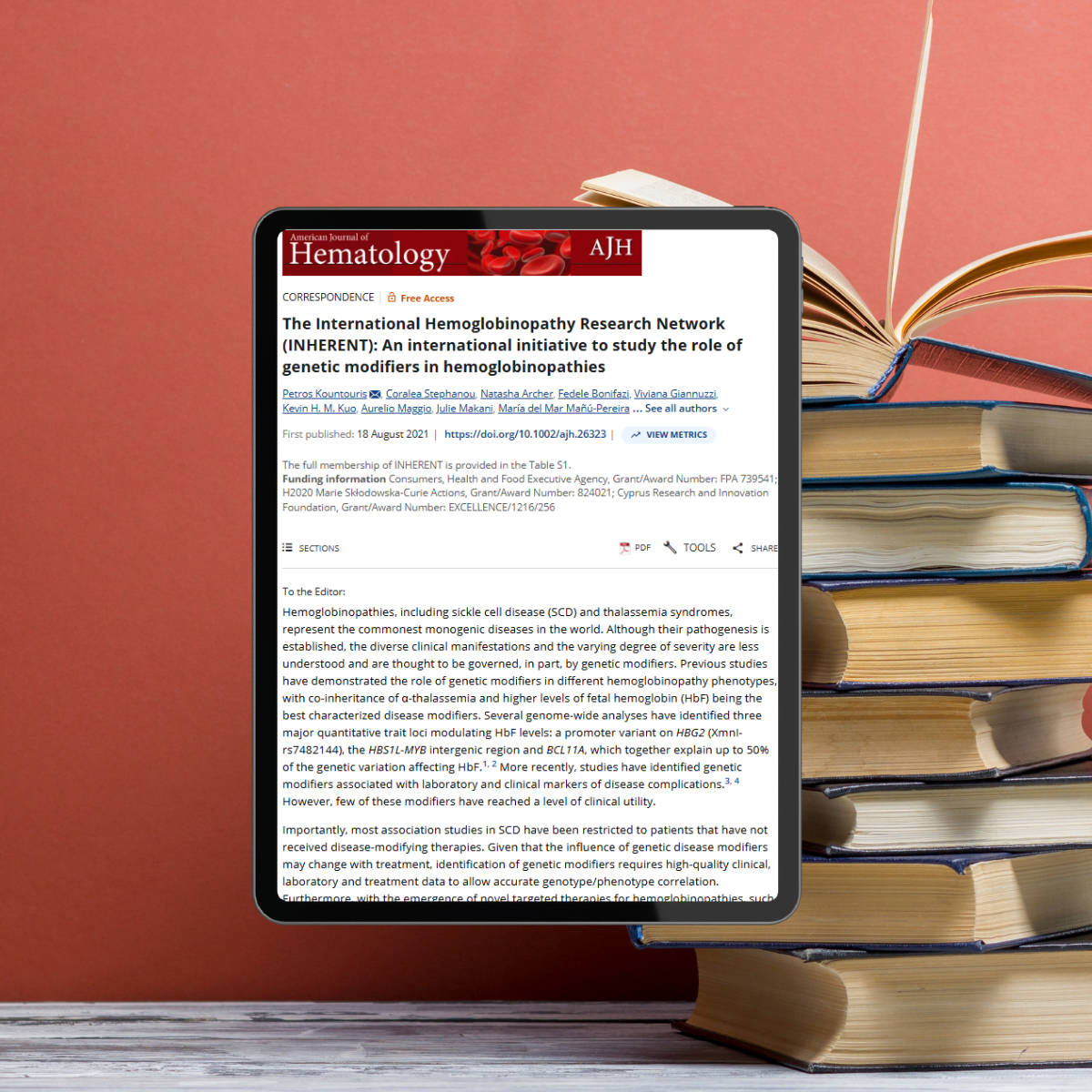
The International Hemoglobinopathy Research Network (INHERENT): An International Initiative to Study Genetic Modifiers of Hemoglobinopathies.
This publication introduces INHERENT, a global collaborative network established to study how genetic modifiers influence clinical variability in hemoglobinopathies, including sickle cell disease and thalassemia. It highlights the need for large-scale, multi-ethnic genomic studies, harmonized phenotype definitions, and cross-cohort collaboration to accelerate discovery and enable precision medicine approaches in hemoglobinopathy research.
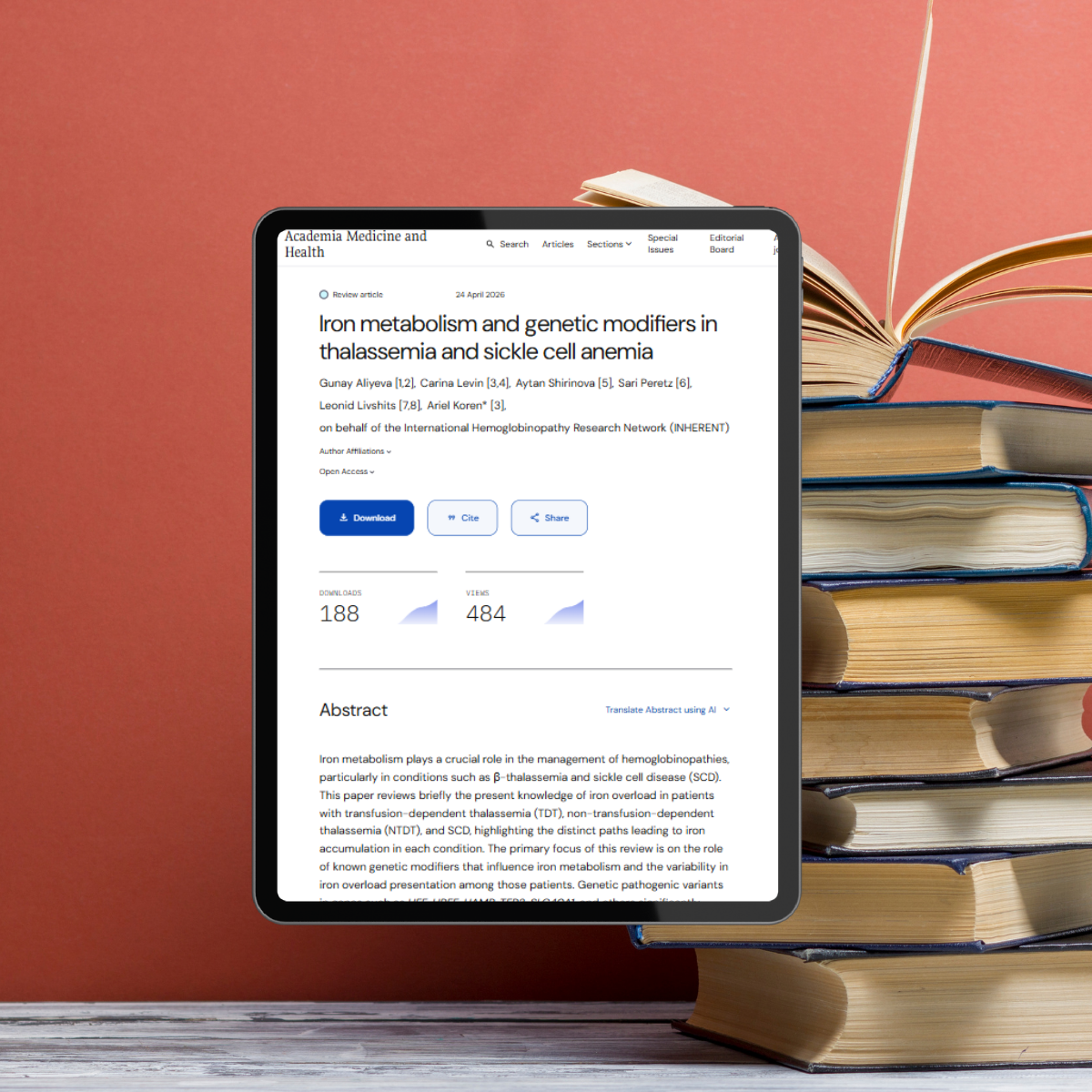
Kountouris, P., 2023, January. THE INTERNATIONAL HEMOGLOBINOPATHY RESEARCH NETWORK (INHERENT). In INTERNATIONAL JOURNAL OF LABORATORY HEMATOLOGY (Vol. 45, pp. 91-91). 111 RIVER ST, HOBOKEN 07030-5774, NJ USA: WILEY.Iron metabolism and genetic modifiers in thalassemia and sickle cell anemia
This publication reviews iron metabolism in thalassemia and sickle cell disease, with a particular focus on how genetic modifiers influence variability in iron overload. It highlights distinct mechanisms of iron accumulation across disease subtypes and emphasizes the role of variants in key iron-regulating genes in shaping disease severity and clinical outcomes. The study underscores the importance of large-scale genomic approaches, such as those led by the International Hemoglobinopathy Research Network, to better understand these modifiers and support the development of personalized management strategies.
Aliyeva, G. et al. (2026) “Iron metabolism and genetic modifiers in thalassemia and sickle cell anemia,” Academia Medicine and Health. Academia.edu Journals, 3(2). doi: 10.20935/AcadMedHealth8247.
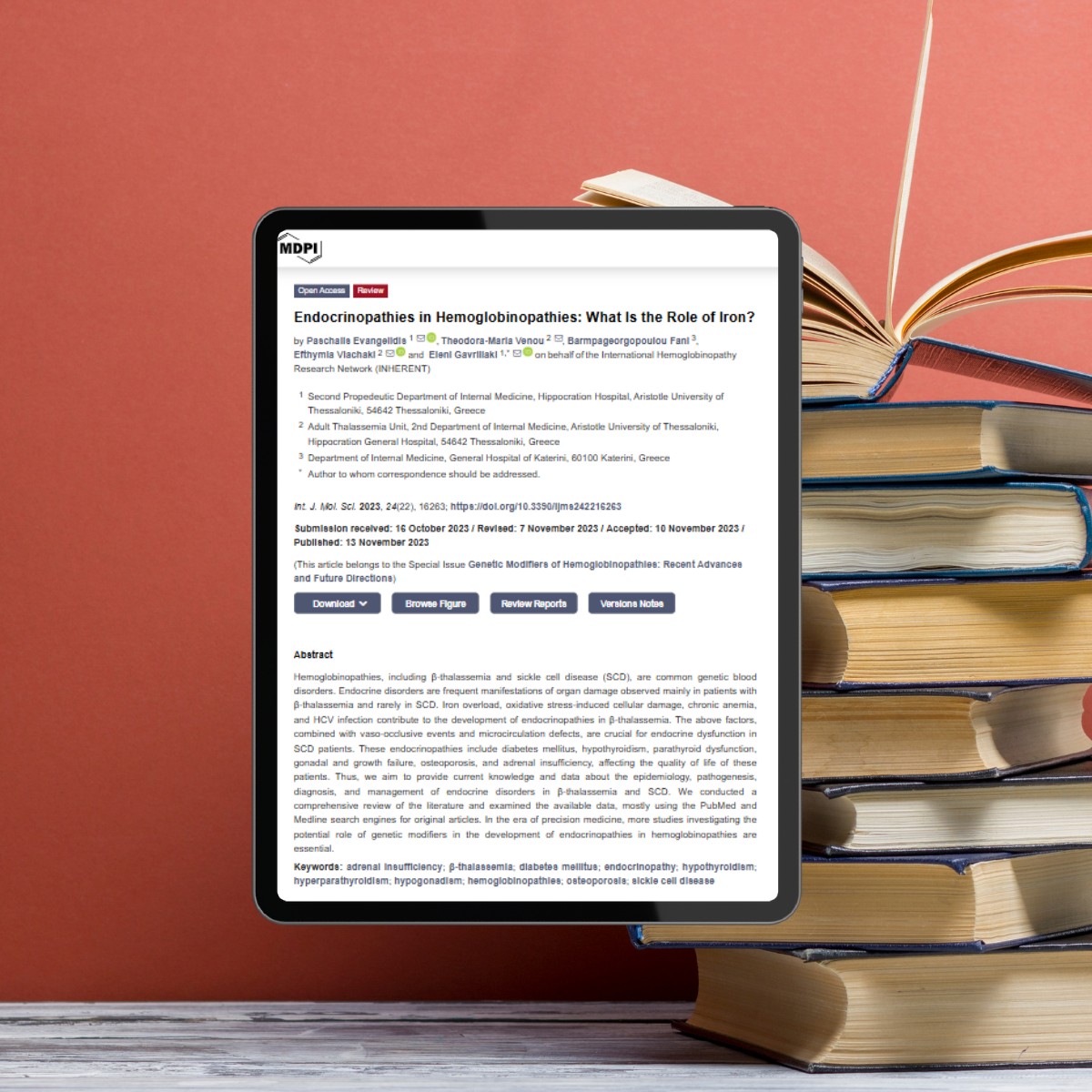
Endocrinopathies in Hemoglobinopathies: What Is the Role of Iron?
This review discusses endocrine complications in hemoglobinopathies (especially transfusion-dependent thalassemia) and explains how iron overload contributes to damage of endocrine organs. It summarizes common disorders such as diabetes, hypothyroidism, hypogonadism, growth impairment, adrenal dysfunction, and hypoparathyroidism, emphasizing the importance of early screening and effective iron chelation to reduce long-term morbidity.
Evangelidis, P., Venou, T.M., Fani, B., Vlachaki, E. and Gavriilaki, E., 2023. Endocrinopathies in hemoglobinopathies: what is the role of iron?. International Journal of Molecular Sciences, 24(22), p.16263.Impact of α-Globin Gene Expression and α-Globin Modifiers on the Phenotype of β-Thalassemia and Other Hemoglobinopathies: Implications for Patient Management.
This review discusses how differences in α-globin gene expression, including α-thalassemia deletions or duplications and other α-globin modifiers, affect globin chain imbalance and therefore influence clinical severity in β-thalassemia and other hemoglobinopathies. It also highlights emerging biological mechanisms that may reduce α-globin toxicity, such as α-globin-stabilizing protein and autophagy, and explains the relevance of these modifiers for prognosis, patient stratification, and clinical management.
Traeger-Synodinos, J., Vrettou, C., Sofocleous, C., Zurlo, M., Finotti, A. and Gambari, R., 2024. Impact of α-Globin gene expression and α-Globin modifiers on the phenotype of β-thalassemia and other hemoglobinopathies: implications for patient management. International Journal of Molecular Sciences, 25(6), p.3400.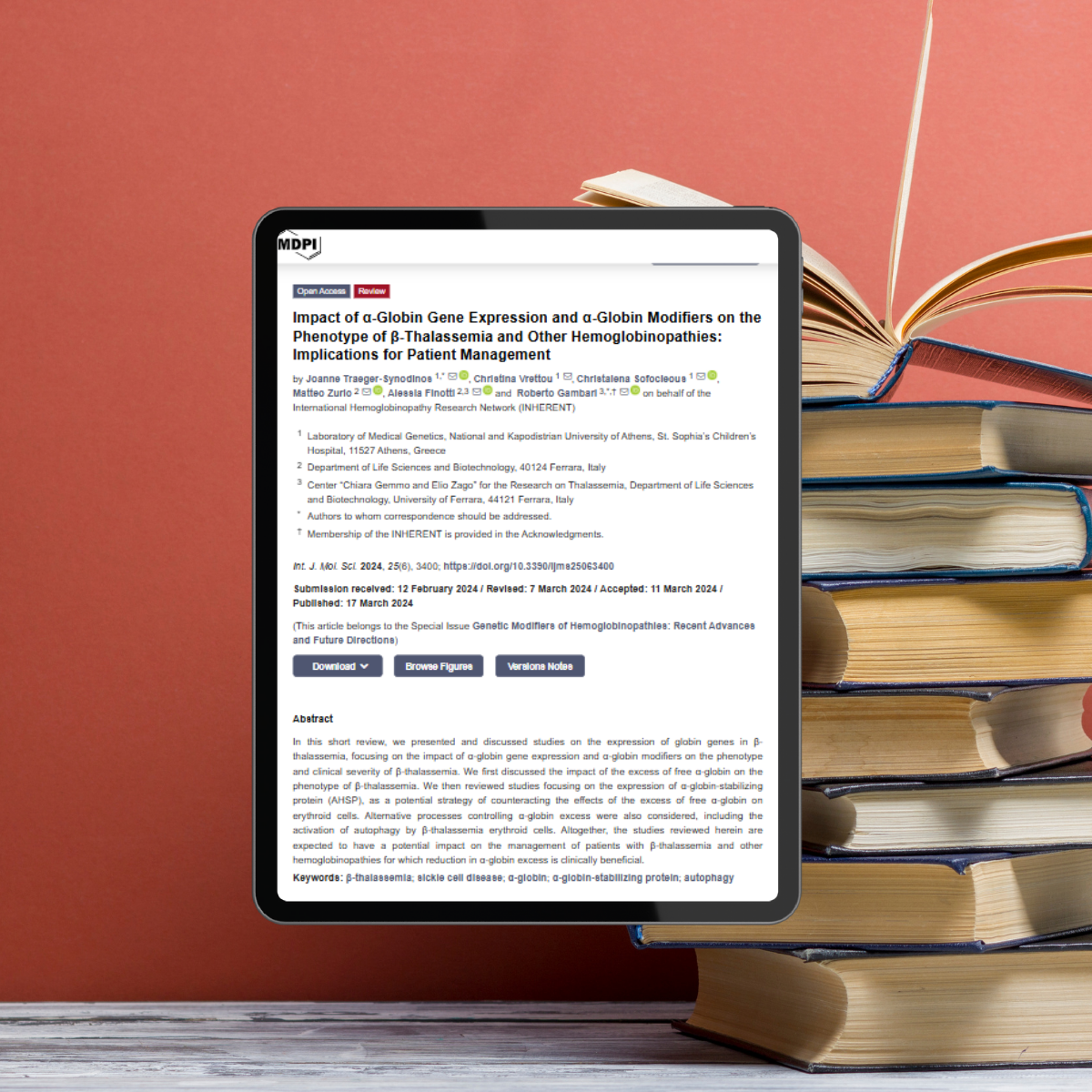
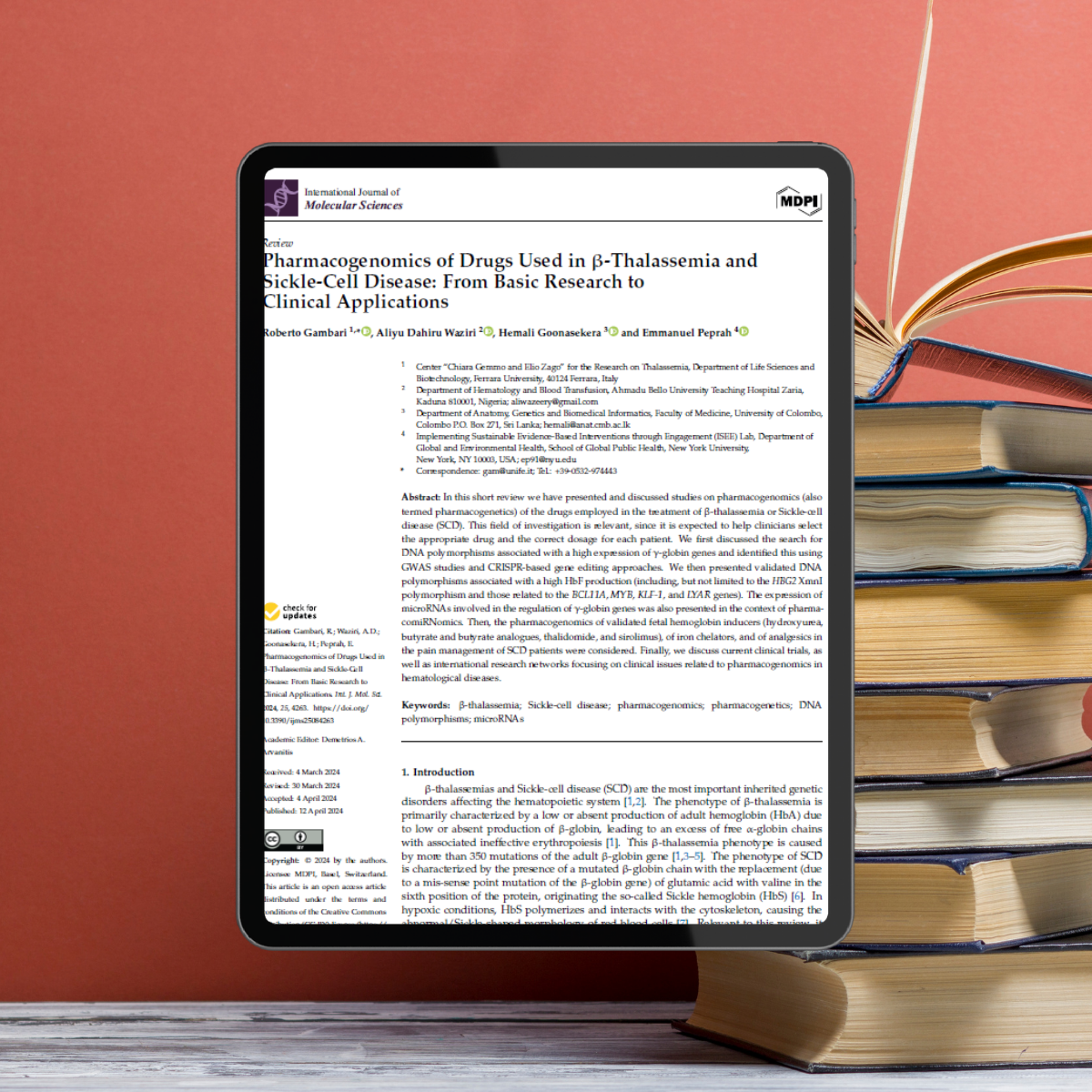
Pharmacogenomics of Drugs Used in β-Thalassemia and Sickle-Cell Disease: From Basic Research to Clinical Applications.
This review summarizes how genetic variation influences treatment response, efficacy, and toxicity of drugs used in β-thalassemia and sickle cell disease. It discusses pharmacogenomic factors affecting key therapies such as iron chelators, hydroxyurea, and emerging disease-modifying agents, highlighting how pharmacogenomics can support personalized treatment selection, optimized dosing, and improved clinical outcomes in hemoglobinopathies.
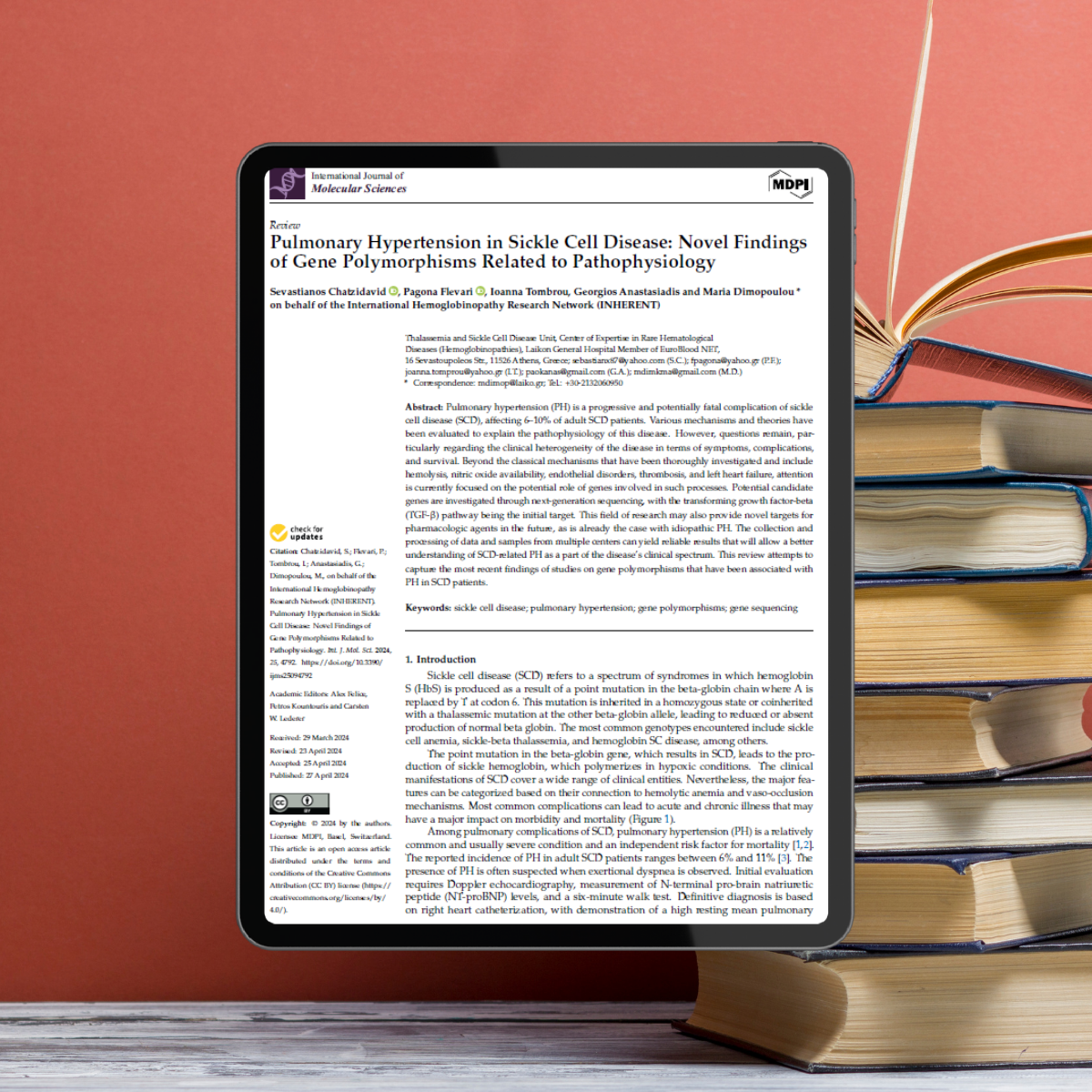
Gambari, R., Waziri, A.D., Goonasekera, H. and Peprah, E., 2024. Pharmacogenomics of drugs used in β-Thalassemia and Sickle-Cell disease: from basic research to clinical applications. International journal of molecular sciences, 25(8), p.4263.Pulmonary Hypertension in Sickle Cell Disease: Novel Findings of Gene Polymorphisms Related to Pathophysiology.
This publication reviews genetic polymorphisms associated with pulmonary hypertension in sickle cell disease and explains how these variants may contribute to disease mechanisms such as endothelial dysfunction, hemolysis-related nitric oxide depletion, inflammation, oxidative stress, and vascular remodeling. It highlights the potential value of genetic markers for risk stratification, earlier detection, and improved understanding of pulmonary vascular complications in sickle cell disease.
Chatzidavid, S., Flevari, P., Tombrou, I., Anastasiadis, G. and Dimopoulou, M., 2024. Pulmonary hypertension in sickle cell disease: novel findings of gene polymorphisms related to pathophysiology. International Journal of Molecular Sciences, 25(9), p.4792.